
Strata Repairs and Maintenance
Lesson 10: Hinges, closers and sticking doors
Goal: make doors swing, close and latch properly, the most common hardware job in any strata building.
Common doors in a strata building work hard: hundreds of openings a day, trolleys, prams, removalists, wind. Most door complaints come down to three things: hinges, closers and doors that stick.
Sagging doors and loose hinges
When a door starts to scrape the floor or the latch misses the strike, look at the hinges first. The top hinge carries most of the door’s weight and pulls away from the frame over time.
- Open the door and lift the handle end. If the hinge moves, the screws are loose.
- Tighten every hinge screw. If one spins without tightening, the hole is stripped.
- Replace stripped or short screws on the frame side with 65 mm screws (or longer), so they reach the wall stud behind the frame. One long screw in the top hinge pulls the whole door back up.
- For a stripped hole in the door, glue in a timber dowel or golf tee, trim it flush, drill a pilot hole and re-screw.
- If the door rubs on the latch side at the top, a thin cardboard packer behind the bottom hinge (or a deeper screw in the top) changes the angle. Small changes go a long way.
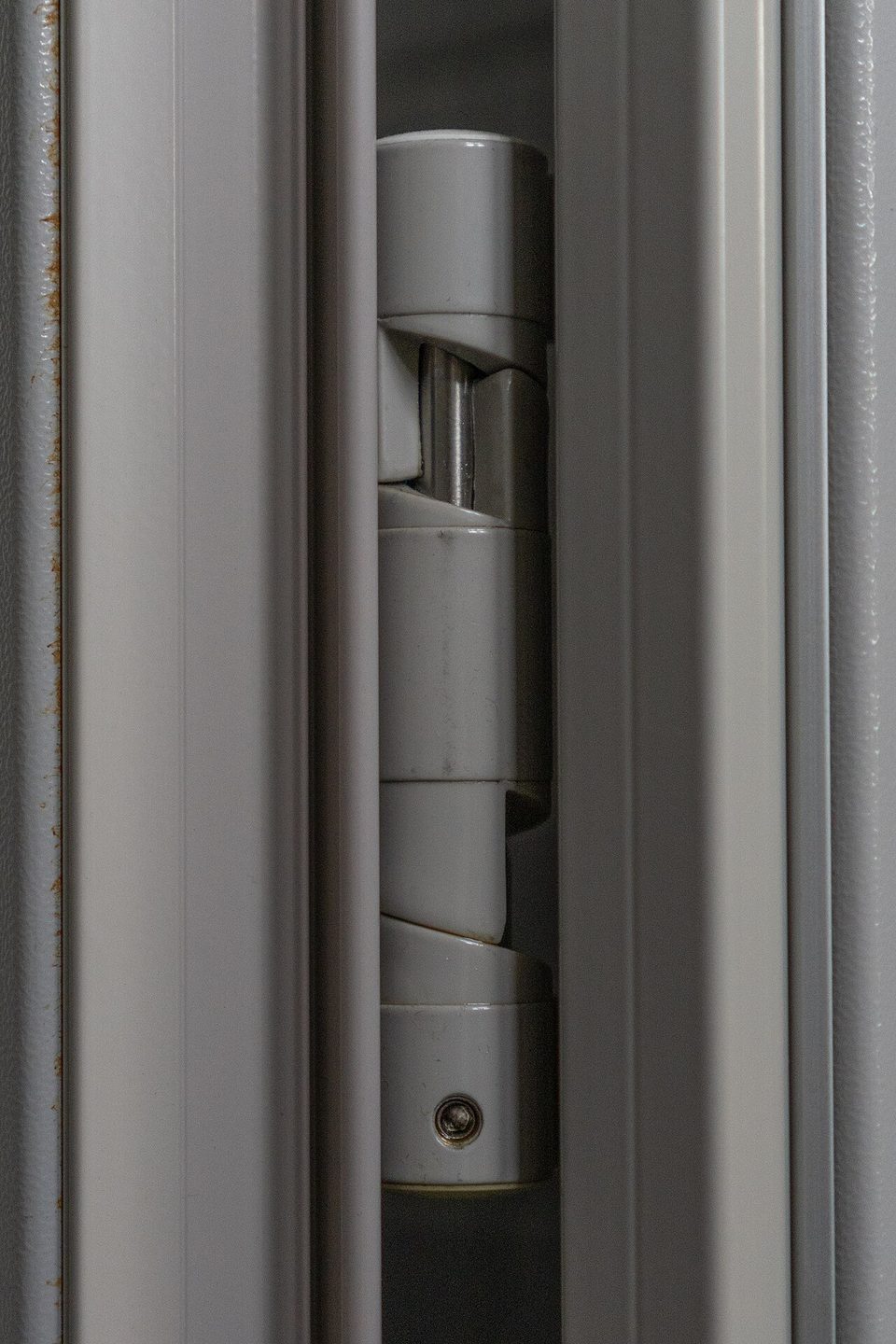

Squeaky hinges: lift the pin partly out, wipe it, and add a little light oil or a dry PTFE spray. Don’t use a heavy grease that collects dust.
Door closers
An overhead closer is a spring and an oil-filled piston. Valves on the body control how fast oil passes, which sets how fast the door closes in each part of its swing.
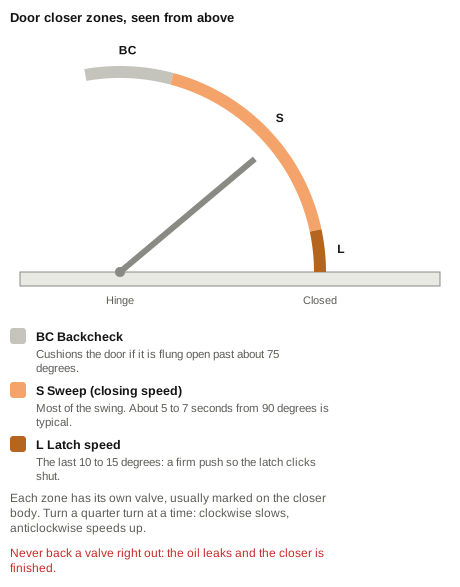
To adjust:
- Find the valves: small screws on the end or side of the closer body, often marked S, L and BC (or 1, 2 and 3). The manufacturer’s sheet, often printed under the cover, shows which is which.
- Open the door to 90 degrees and time it closing.
- Turn the sweep valve a quarter turn at a time until the door takes about 5 to 7 seconds to reach the last 10 to 15 degrees.
- Adjust the latch valve so the door speeds up enough at the end to push the latch home, without slamming.
- Check the backcheck stops the door hitting the wall if someone throws it open.
Manufacturer says: never unscrew a valve more than the instructions allow. Backed right out, it leaks oil and the closer is finished. A closer that leaks oil, has a bent arm or can’t be adjusted needs replacing.
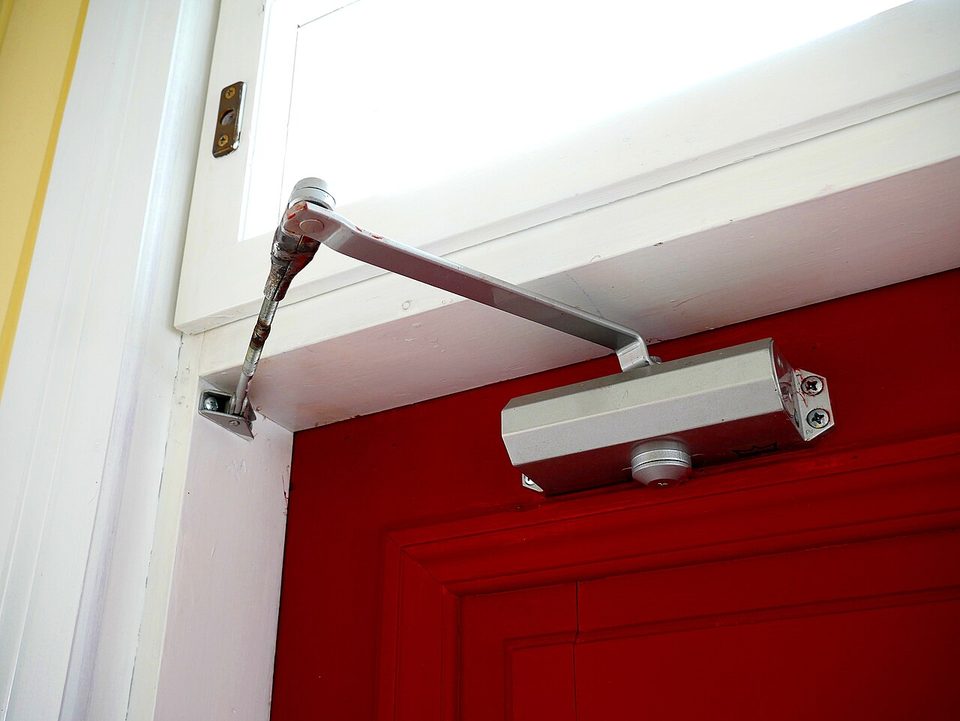

Practitioner tip: in windy buildings, external doors change with the weather. Set them on a calm day, check on a windy one, and don’t fight the wind with a faster closer: it just slams the door on people.
Fire doors: what you can and can’t do
Stairwell doors and apartment front doors are usually fire doors (Lesson 9). The law: they must close and latch by themselves from any open position, and the parts on them (hinges, closer, lock, seals) are part of the tested and certified door.
| You can | Leave to a fire door specialist |
|---|---|
| Tighten hinge and closer screws | Replace a closer, hinge or lock |
| Adjust closer speed so it closes and latches fully | Plane, cut or drill the door |
| Report a damaged seal, gap or missing tag | Replace seals, add a kick plate, fix a hole in the door |
| Remove door wedges, report doors held open | Fit hold-open devices |
In many states fire doors must be inspected by a qualified person every six months to Australian Standard AS 1851. If your building has a fire services contractor, report fire door defects to them through the strata manager, and they fix them.
Door stops and kick plates
A lever through the plasterboard (Lesson 5) or a door handle denting the wall behind it is a sign a door stop is missing. Skirting-mounted stops are easy: drill a pilot hole into the skirting at the point the door would hit, and screw the stop in. Floor stops on concrete need a masonry bit and plug.
Kick plates (metal plates across the bottom of a door) protect doors that get pushed by feet and trolleys. On ordinary doors, screw them on. On fire doors, only approved kick plates within the door’s certification can be fitted.
Sticking doors
A timber door that sticks has usually either dropped (fix the hinges first, above) or swelled with moisture.
- Find where it rubs: close it on a sheet of paper, or look for worn paint.
- Tighten the hinges. Many sticking doors are fixed here.
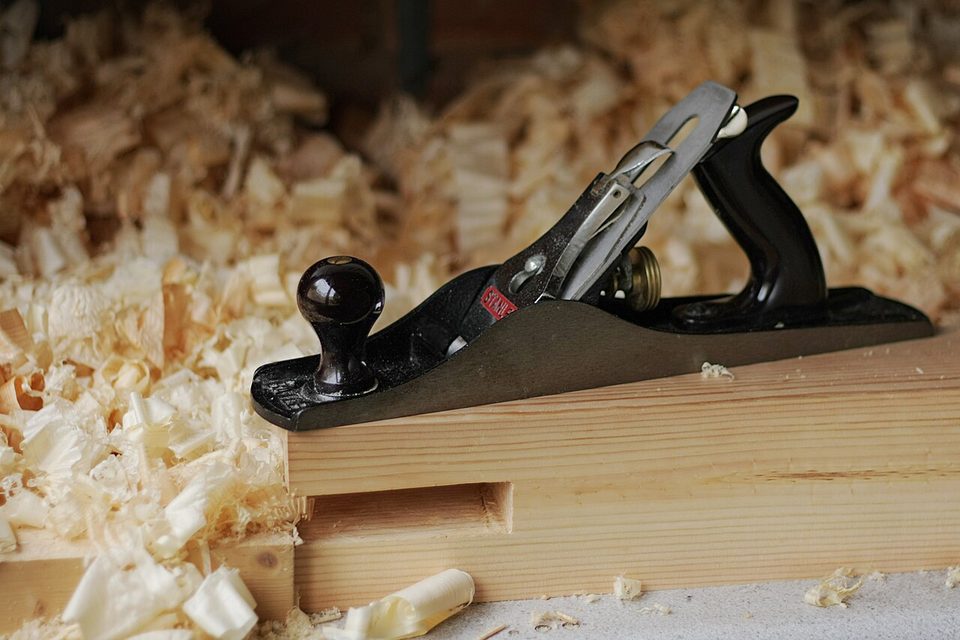
- If it still sticks, mark the tight spot, take the door off its hinges, and plane the edge (towards the corner, not off it, so you don’t split the end grain). Take off a little at a time and test.
- Seal the bare timber straight away: an unpainted edge soaks up moisture and swells again. Paint the top and bottom edges too.
Never plane a fire door: it changes its fire rating.

At Jacaranda Court
Residents complain the stairwell B door on level 1 slams. You time it: 2 seconds from fully open. It’s a fire door with a tag, so you don’t touch the hardware itself, only the valves. Two quarter turns of the sweep valve clockwise and one of the latch, and it closes in 6 seconds and still latches every time. You test it ten times, write it on the work order, and ask the fire services contractor to check it at the next six-monthly inspection.
On the job 10
Time every closer on your building’s common doors from 90 degrees. List any that slam, any that don’t latch, and any fire door wedged open. Fix the ones you can; report the rest.
Sources
- Safe Work Australia, Model code of practice: Managing the risk of falls at workplaces (stepladders when working on closers)
- Jamesons Strata Management, Apartments and fire doors: what are the regulations?
- Standards Australia, AS 1905.1 (fire-resistant doorsets) and AS 1851 (routine service of fire protection systems and equipment)
- Door closer manufacturers’ installation and adjustment instructions (printed with each closer)
Quick quiz
Pick an answer for each question. Nothing is recorded.
General education, not trade or legal advice. Licence limits, asbestos rules and window safety laws differ by state and change, so check your regulator before you quote or start. If a job involves electricity, plumbing, gas, waterproofing, fire doors or anything you think may contain asbestos, stop and get the right licensed trade.