
Course
Strata Repairs and Maintenance
Handyman repairs for apartment buildings: patch and paint walls, fix water stains and mould, and replace door and window hardware.
General education, not trade or legal advice. Licence limits, asbestos rules and window safety laws differ by state and change, so check your regulator before you quote or start. If a job involves electricity, plumbing, gas, waterproofing, fire doors or anything you think may contain asbestos, stop and get the right licensed trade.
About the work
- For caretakers, building managers, handypeople and maintenance staff in strata buildings, and owners on the committee who like to fix things
- Handyman jobs only: the repairs you can do without a trade licence, and how to tell when a job has crossed the line
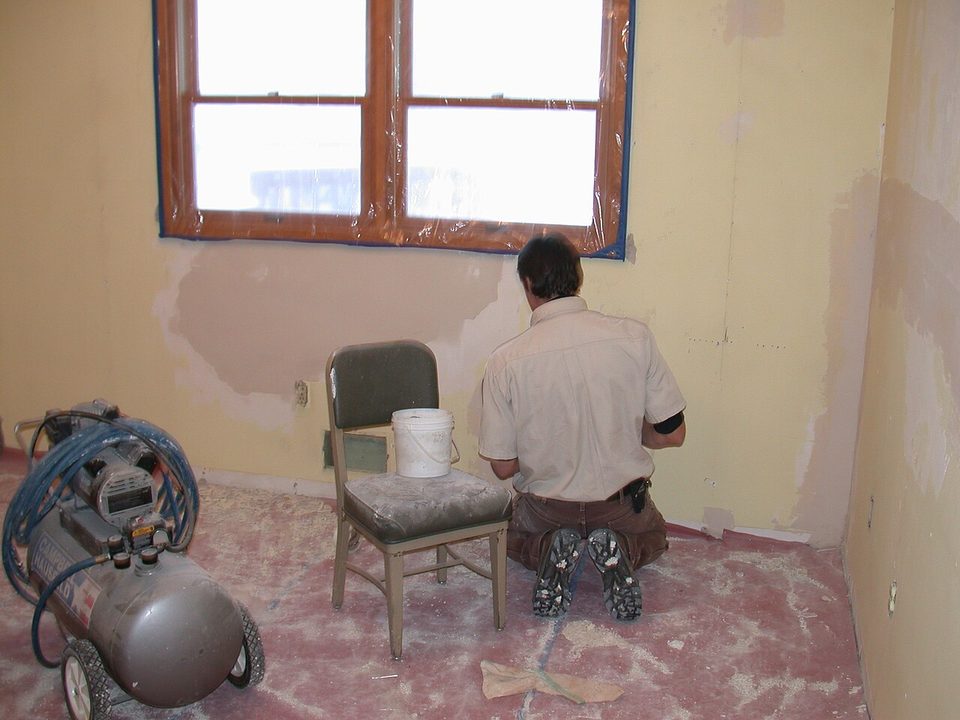
- Walls and ceilings: patching plasterboard, painting a repair so it disappears, water stains and sagging ceilings
- Water damage and mould: finding where the water is really coming from, drying out, and cleaning mould safely
- Door and window hardware: levers, locks, hinges, closers, sticking doors, window handles, catches and restrictors
- Vandalism, graffiti, fair wear and tear, silicone and small timber repairs
- Asbestos, lead paint and ladder safety first, because strata buildings are full of all three
- A running example building, Jacaranda Court, a quiz and an on-the-job task in every lesson
Regulators and official guides
Lessons
- How to use this course
- What you can fix yourselfThe licence line, the trades you never touch, and getting approval before you start.
- Safety first: asbestos, lead and laddersCheck the asbestos register, treat old paint as lead, and set up a ladder properly.
- Your repair kitWhat to carry, what to keep on site, and the materials worth buying in bulk.
- Water damage: find and stop the sourceMake safe, trace the water, tell a leak from condensation, dry it out, then repair.
- Patching plasterboard and plasterFiller for dents, mesh patches for small holes, a new piece for big ones, and what to do with cracks.
- Painting a repair so it disappearsClean, sand, seal, then paint to a corner, in the right colour and sheen.
- Water stains and damaged ceilingsStain-blocking primer, draining a sagging ceiling, and when the board has to go.
- Mould after a leakFix the water, protect yourself, clean hard surfaces, remove soft ones, dry, then stain-block.
- Door handles and locksMeasure, match and fit lever sets; fix loose levers and latches; know when to call the locksmith.
- Hinges, closers and sticking doorsTighten and pack hinges, adjust a closer, ease a sticking door, and where fire doors set the limits.
- Window handles, catches and restrictorsIdentify the window, replace the handle or catch, free a stiff slider, and check child safety restrictors.
- Vandalism, graffiti and wear and tearRecord first, remove graffiti fast, fix the damage, and know when someone else should pay.
- Silicone, caulking and small timber repairsStrip and reseal silicone properly, caulk gaps before painting, and fix trims and small timber damage.
- Quick reference
- Appendix: Repair terms